
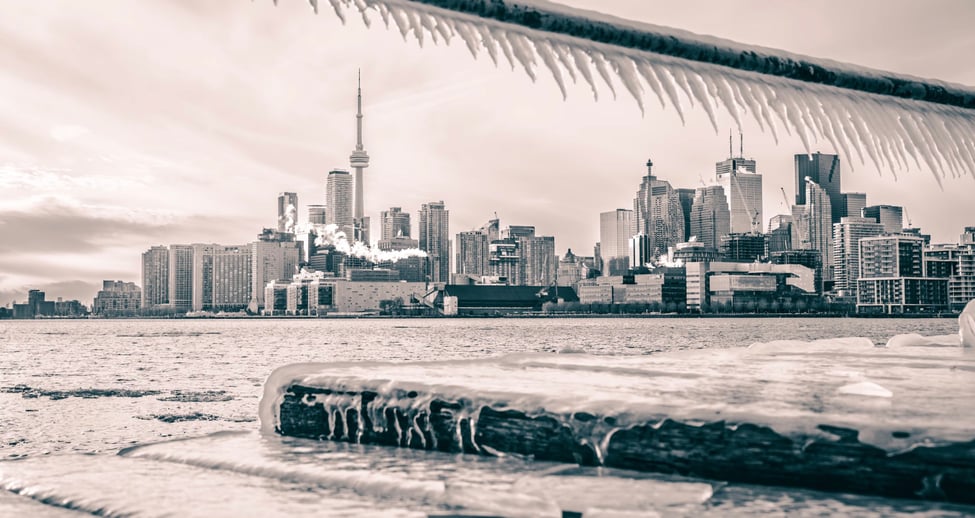
As the holiday season comes to a close, many of us tend to tighten our belts in January. With the winter chill settling in this week, it's important to remember that winterizing your home doesn't have to come with a hefty price tag. There are plenty of cost-effective ways to keep your home warm, safe, and energy-efficient throughout the colder months. Here are some simple yet smart tips for preparing your property for winter without breaking the bank:
1. Seal Gaps and Cracks Around Windows and Doors
- Why it’s important: Gaps and cracks around windows and doors let cold air in and warm air out, increasing heating costs.
- Budget Tip: Use inexpensive weatherstripping or caulk to seal cracks around windows and doors. You can buy a roll of weatherstripping for $5-$15.
2. Insulate Your Pipes
- Why it’s important: Frozen pipes can burst and cause significant water damage, but pipe insulation is a simple preventative step.
- Budget Tip: Insulating pipes is easy and affordable. Pipe insulation foam is cheap and can be purchased for less than $10. Simply slip it around exposed pipes, especially in areas like the basement, attic, or crawl spaces. If you’re in a very cold area, you can also use old towels or blankets to wrap pipes in unheated areas.
3. Clean and Inspect Your Gutters
- Why it’s important: Clogged gutters can cause water to back up and freeze, potentially leading to ice dams that damage your roof and walls.
- Budget Tip: Use a ladder to clean out leaves, debris, and dirt from your gutters. It’s a simple task you can do yourself with just a pair of gloves and a small garden trowel.
4. Install Draft Stoppers on Doors and Windows
- Why it’s important: Even small drafts can significantly increase your heating bills during winter.
- Budget Tip: You can buy draft stoppers for $10-$15, or make your own by rolling up an old towel or using foam insulation strips. Place them at the bottom of doors and windows where drafts are most common.
5. Check Your Home’s Insulation
- Why it’s important: Insulation is crucial for keeping the heat inside. Poor insulation leads to higher energy bills.
- Budget Tip: Check your attic and basement insulation. Adding or reinforcing insulation can cost less than $100, depending on the area you need to cover. You can even use fiberglass batt insulation, which is relatively inexpensive. Ensure your attic hatch or crawl space door is well insulated to avoid heat loss.
6. Replace Furnace Filters and Schedule Basic Maintenance
- Why it’s important: A dirty furnace filter reduces airflow and makes your heating system work harder, which increases energy costs.
- Budget Tip: Replacing filters is an easy and low-cost task. This simple step can improve furnace efficiency. Most filters only need to be replaced every 1–3 months, depending on usage.
7. Use Area Rugs to Insulate Floors
- Why it’s important: Floors, especially hardwood or tile, can get cold in winter and contribute to a drafty home.
- Budget Tip: Area rugs not only make your home feel cozier but also help insulate floors, keeping warmth inside. You can find budget-friendly rugs at discount stores or secondhand shops. A few strategically placed rugs can make a big difference in how warm your home feels. If you have hardwood floors, consider using foam pads underneath rugs for added insulation.
8. Reverse Ceiling Fans
- Why it’s important: Ceiling fans can help circulate warm air, especially when set to rotate clockwise in winter.
- Budget Tip: Simply flip the switch on your ceiling fan to reverse its direction. This helps push warm air that gathers near the ceiling down into the room, reducing your reliance on the heater. Ceiling fans are usually energy-efficient and can help maintain a consistent temperature in your home.
9. Protect Your Outdoor Faucets
- Why it’s important: Outdoor faucets are prone to freezing, which can lead to burst pipes and costly repairs.
- Budget Tip: Invest in inexpensive foam faucet covers to protect your outdoor spigots from freezing (typically costing under $5 each). These covers will insulate the faucet and prevent ice buildup. If you have hoses still attached, make sure to disconnect and drain them before the temperatures drop.
10. DIY Insulation for Drafty Doors and Windows
- Why it’s important: Drafty doors and windows increase your heating costs and make your home less comfortable.
- Budget Tip: Use heavy curtains or thermal drapes, which can be found for affordable prices. They’ll keep the cold out and the heat in. If curtains aren’t your thing, you can use clear plastic window film, which is a cheap way to add insulation.
Preparing your home for winter doesn’t have to be an expensive endeavor. With these straightforward, budget-friendly tips, you can keep your space warm and cozy, lower heating costs, and prevent costly issues like frozen pipes or water damage. A bit of preventative care now can save you significantly down the road, ensuring your home remains safe, energy-efficient, and comfortable all season long!

